The Boston Red Sox have been eliminated from postseason play after a humiliating two-game sweep at the hands of the New York Yankees. The Yankees took Game 1 by a score of 9-0 and Game 2 by 9-2. That’s an 18-2 aggregate, the most lopsided Wild Card Series since the current format arrived in 2022.
The Red Sox never had any momentum, beginning the series with 14 straight scoreless innings across the two games.
This Red Sox season never really felt right, and even during their incredible 32-5 run that saw them vault from the depths of the AL East to snatching a Wild Card spot, I was always waiting for the regression back to the mean.
It turns out the summer sizzle was in fact a dead cat bounce, as the Sox limped their way through a 12-12 September before getting bounced by their arch nemesis.
Interestingly enough, they never actually played any October baseball this year, with yesterday’s elimination game occurring on the 30th of September.
Let’s take a look at my mid season analysis of the team heading into the trade deadline:
The impact of the expanded postseason on the trade deadline can’t be understated. It is one of several factors that has rewritten how the midsummer major league musical chairs play out. With two additional Wild Card spots, significantly more teams are in contention this time of year than would have been before. My old friends, the Boston Red Sox, who have had a disastrous year by all accounts and expectations, sit just 2.5 games back from the third Wild Card spot. They sit at 43-48 today, a better record than the vibes and the Boston media coverage would indicate.
While they have found some momentum lately, including a recent sweep of the Yankees, they have no business considering themselves buyers at this deadline. But the slim possibility of a returning Crochet and Anthony, along with Craig Breslow’s desperation to save his general manager job, could have them thinking twice at the deadline three weeks from now.
The Red Sox need to sell; starting with Sonny Gray, Aroldis Chapman, and Jarren Duran. Restocking the cupboard that has borne less fruit than expected with the triumvirate of Roman Anthony, Marcelo Mayer, and Kristian Campbell — from varying degrees of disappointment to disaster — should be the priority. The faltering young core has them much further away from a championship window than it appeared just four months ago.
Breslow is also proof positive of the harm playing fast and loose at the trade deadline can do to a team. He gave up James Tibbs for two months of the herbivore Dustin May, and then, this past offseason, sent Kyle Harrison — one of the top left-handed pitching prospects in baseball, owner of a 2.82 ERA that has swelled a bit after a few recent rough starts, and the headline piece coming back in the Devers deal — to Milwaukee for Caleb “What is baseball?” Durbin. I think Caleb knows what baseball is, but he doesn’t often play like it.
To be fair, when the Caleb Durbin trade was made, I didn’t hate it. In hindsight, giving up such a young and capable arm in Kyle Harrison was a mistake, but the intention in getting younger and cheaper at third with a competent piece like Durbin after losing Bregman to Chicago made sense.
Now, John Henry’s unwillingness to kick in an extra $10m over 5 years to Bregman cost them both the veteran right-handed hitter, as well as Harrison, who went 11-5 with a 4.20 ERA across 110-plus innings for the Brewers this season.
That’s a far greater cost than they realized they would be paying, and an argument for cheaping out when you’re the third-most valuable franchise in baseball not being a winning strategy.
They probably did just good enough for Breslow to keep his job, and for John Henry to keep trying to poor-boy this team back into contention.
Talk about losing the battle, but (also) losing the war.
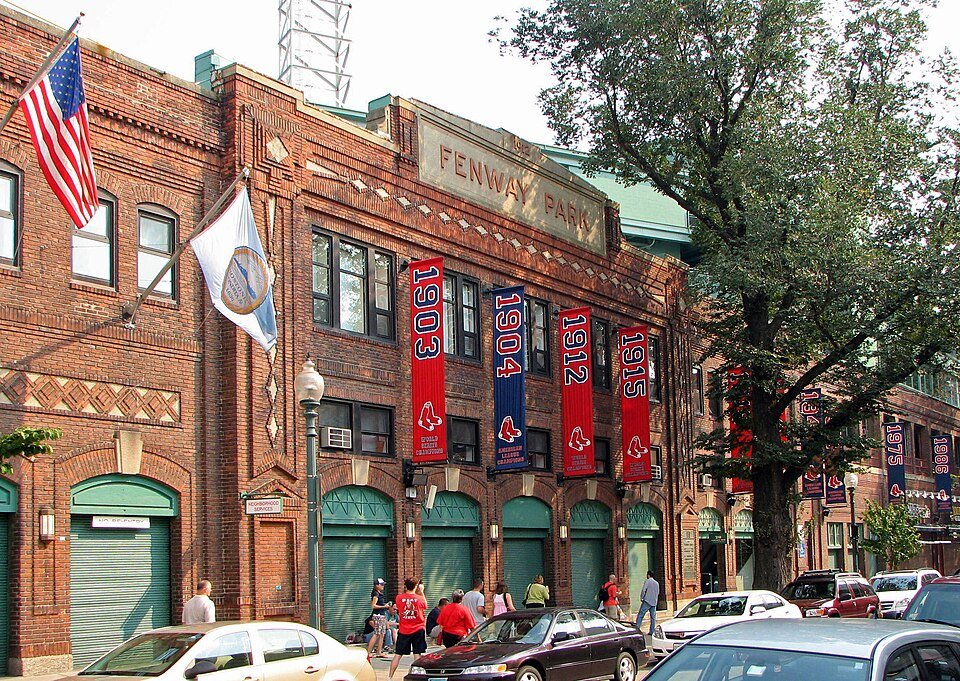
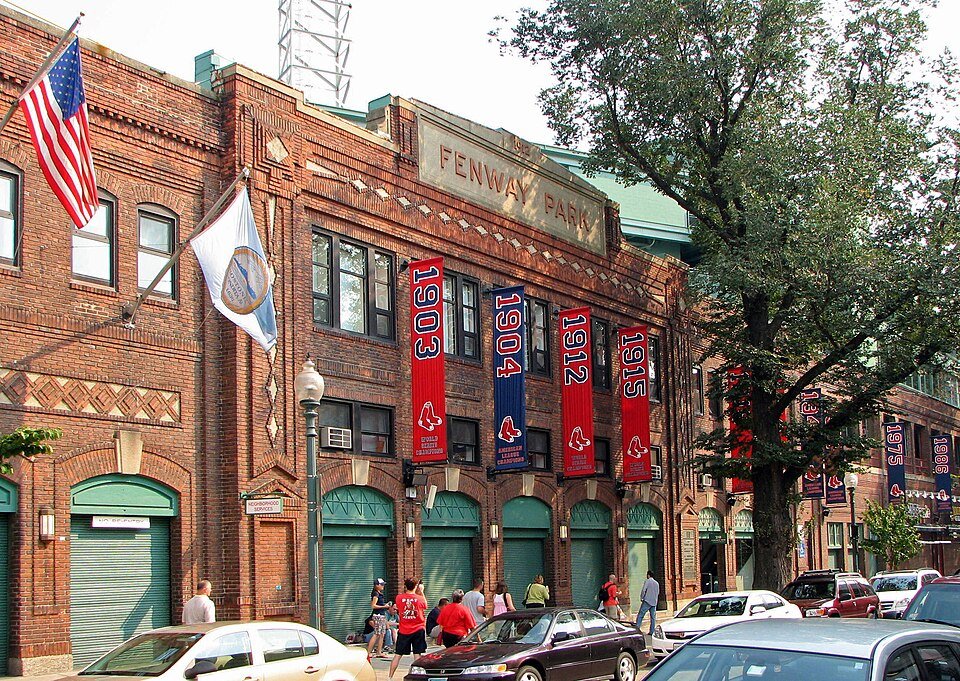
Photo: Bernard Gagnon / Wikimedia Commons — CC BY-SA 3.0